
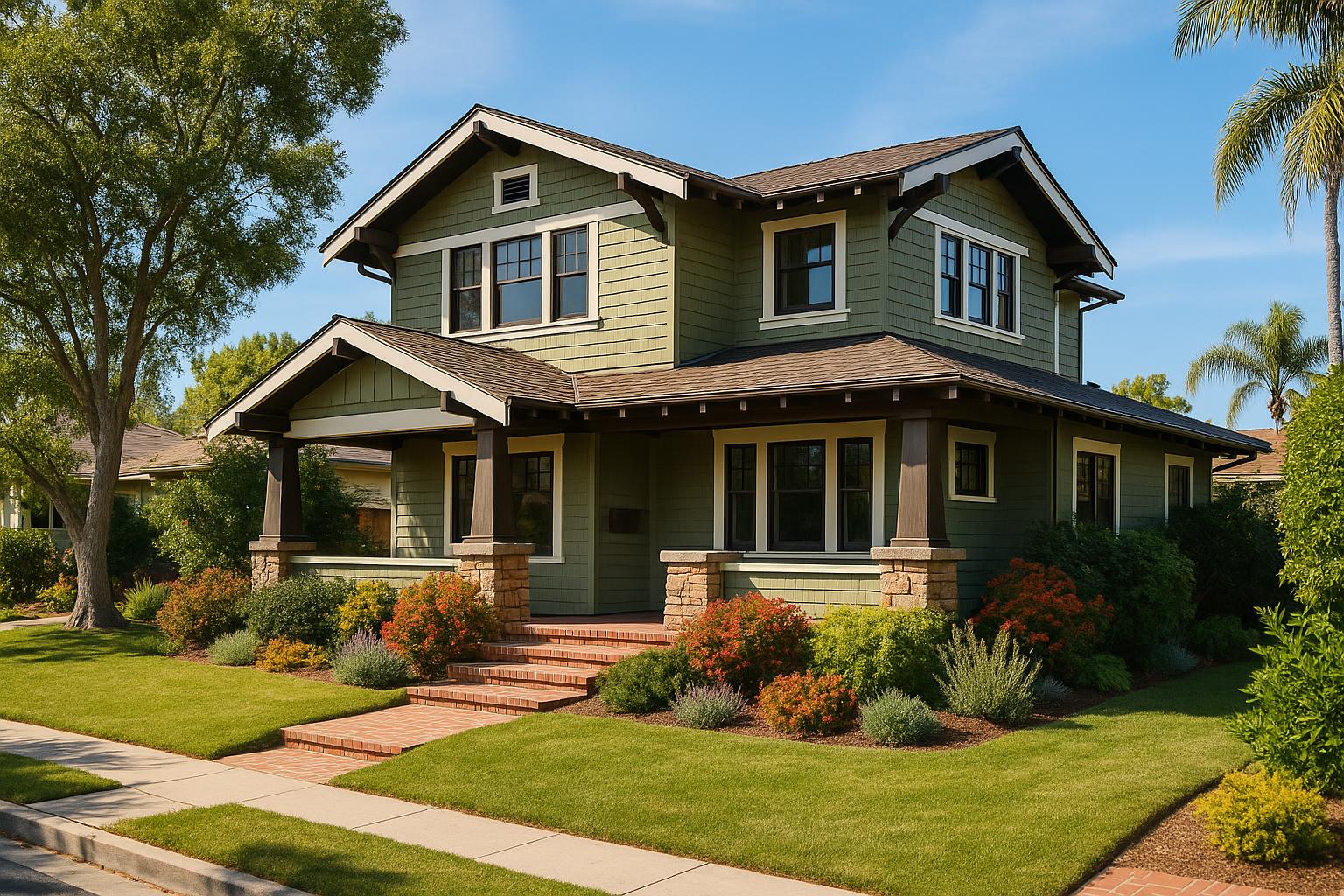
When You Can't Build Out, Build Up
San Diego homeowners love their neighborhoods — the tree-lined streets of Scripps Ranch, the coastal charm of Encinitas, the family-friendly cul-de-sacs of Mira Mesa. But when your family outgrows your home, you face a tough choice: move to a new neighborhood or find a way to add space where you are.
For many homeowners on smaller lots, building outward simply isn't an option. Setback requirements, limited yard space, and the desire to keep outdoor living areas intact make expanding the footprint of your home impractical. That's where a second-story addition comes in.
Adding a second story is one of the most transformative remodeling projects you can undertake. It can double your living space, dramatically increase your home's value, and give you the room you need without sacrificing a single square foot of your yard. But it's also one of the most complex projects to plan. Here's what you need to know before you start.
Is Your Home a Good Candidate for a Second Story?
Not every single-story home can support a second floor without significant work. The first step in planning is understanding what your existing structure can handle.
Foundation Assessment
Your current foundation was designed to support a single-story home. Adding an entire floor above it means the foundation needs to bear substantially more weight. A structural engineer will evaluate whether your existing foundation can be reinforced or whether portions need to be rebuilt. In San Diego, where soil conditions vary widely — from the clay-heavy soils in Poway to the sandy compositions closer to the coast in La Jolla — this assessment is especially important.
Existing Framing and Load Path
The walls, beams, and framing of your first floor need to transfer the new loads safely to the foundation. In many older San Diego homes built in the 1960s and 1970s, the framing may need upgrades to meet current building codes and support the additional weight. Your contractor and structural engineer will work together to map out the load path and identify any necessary reinforcements.
Roof Removal and Reconstruction
A second-story addition means your existing roof comes off entirely. This is a major undertaking that requires careful planning around San Diego's weather. While our climate is generally mild, the project timeline needs to account for the brief rainy season and ensure the home is properly protected during construction.
Navigating San Diego Permits and Zoning
Permitting is one of the most critical — and often most frustrating — parts of a second-story addition. The City of San Diego and surrounding municipalities have specific zoning regulations that govern how tall your home can be, how close it can sit to property lines, and what the maximum floor-area ratio is for your lot.
- Height restrictions: Most residential zones in San Diego cap building height at 30 feet. Your architect will need to design within this limit while still creating functional, comfortable living spaces on the second floor.
- Setback requirements: Adding height can trigger different setback rules than your existing single-story structure. This is particularly relevant in neighborhoods like Scripps Ranch and Mira Mesa where homes are situated close together.
- Coastal overlay zones: If you're in a coastal area like Encinitas or La Jolla, additional regulations may apply, including view corridor protections and Coastal Commission review.
- HOA restrictions: Many San Diego communities have homeowners associations with their own architectural review processes. Check your CC&Rs before you get too far into design.
Working with an experienced local contractor who understands San Diego's permitting process can save you months of delays and thousands of dollars in redesign costs.
Design Considerations That Make or Break the Project
A successful second-story addition doesn't just add rooms — it creates a home that feels like it was always meant to be two stories.
Staircase Placement
The staircase is the single most impactful design decision in a second-story addition. It needs to connect the two floors conveniently without consuming too much valuable space on the first floor. Common locations include converting a hallway closet, using a corner of the living room, or incorporating the staircase into a reconfigured entryway. A skilled designer will find a solution that feels natural and doesn't disrupt the flow of your existing floor plan.
Matching the Exterior
One of the biggest concerns homeowners have is whether the addition will look like an afterthought. The key is thoughtful architectural design that matches rooflines, siding materials, window styles, and proportions. In San Diego, where home styles range from Spanish Revival to mid-century modern to contemporary, your addition should respect and enhance the existing architectural character.
Maximizing Natural Light and Views
One of the greatest advantages of a second story is the opportunity for better views and more natural light. In San Diego, this can mean ocean views from Encinitas, mountain views from Poway, or canyon views from Scripps Ranch. Strategic window placement and the inclusion of balconies or decks can take full advantage of your elevated vantage point.
What to Expect: Timeline and Living Arrangements
A second-story addition is a major construction project. Most projects take between four and eight months from the start of construction, depending on the scope and complexity. The permitting and design phase can add another two to four months before construction begins.
One of the most common questions we hear is whether you can live in your home during construction. The answer depends on the project. During the roof removal and framing phase, it's often necessary to relocate temporarily. However, once the structure is enclosed and weatherproofed, many families move back in while interior finish work is completed on the second floor.
Planning your living arrangements in advance — whether that means staying with family, renting a short-term apartment, or timing the project around a vacation — will reduce stress significantly.
The Return on Investment
In San Diego's competitive real estate market, a well-executed second-story addition can deliver an excellent return on investment. Adding 800 to 1,200 square feet of living space — including bedrooms, bathrooms, and possibly a primary suite — can increase your home's value substantially. More importantly, it gives you the space to stay in the neighborhood you love without the cost and disruption of buying a new home.
According to local real estate trends, the cost per square foot of a second-story addition is typically far less than the cost per square foot of purchasing a larger home in the same San Diego neighborhood. For homeowners in high-demand areas like La Jolla or Encinitas, the math often makes the decision clear.
Start With the Right Team
A second-story addition requires close coordination between architects, structural engineers, and your general contractor. At Alpine Room Addition, we've guided San Diego homeowners through every phase of complex addition projects — from initial feasibility assessments to final walkthroughs. If you're considering building up, we'd love to help you explore what's possible for your home.
Reach out to our team to schedule a consultation and take the first step toward the space your family deserves.